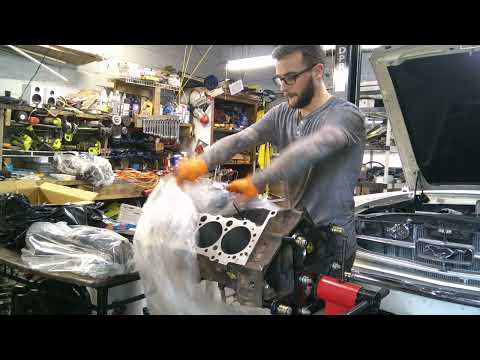
Small Block Chevy 350 Build Pt. 11 | Installing the intake manifold and figuring out sbc nuisances
This episode covers installing the intake manifold on a Small Block Chevy 350, addressing common SBC fitment and assembly nuisances encountered during the install. The video walks through cleaning and prepping mating surfaces, setting gaskets/sealant, torquing the manifold in the correct sequence, and hooking up the carburetor, vacuum and coolant connections.
Build Sequence
1. Prep and clean mating surfaces
Remove any old gasket material and debris from the block intake surface and the manifold. Use a gasket scraper and solvent to ensure both surfaces are clean, flat, and dry before installing new gaskets.
2. Dry-fit manifold and check clearances
Position the intake manifold on the heads without gaskets to check alignment, clearance to valley, pushrod ends, and any accessories. Note any clearance issues or areas where minor trimming or different hardware may be needed.
3. Install intake gaskets and apply sealant where needed
Place the intake gaskets on the head dowels or flat surface per gasket orientation. Apply a small bead of engine-safe RTV where manufacturer recommends (typically ends or corners) but avoid over-application in water passages.
4. Set intake manifold and finger-tighten fasteners
Carefully set the intake manifold onto the gaskets and block. Install bolts/studs and washers and run them down by hand to ensure proper thread engagement and correct seating.
5. Torque manifold in proper sequence
Using a torque wrench, tighten the intake bolts in the specified sequence for a SBC 350 in progressive stages to final torque. Follow manufacturer torque specs if available; typically tighten in multiple passes from center outward.
6. Install carburetor, throttle linkage and vacuum lines
Mount the carburetor to the intake with the appropriate spacer/gasket if used. Reconnect throttle linkage, choke, and vacuum lines. Verify all connections are routed correctly and not kinked or rubbing.
7. Reconnect coolant and accessory lines; final checks
Reattach any coolant passages, sensors, and accessory vacuum hoses. Double-check all fasteners for correct torque, inspect for missed tools, and verify linkages move freely before attempting start.
8. Leak check and initial startup
Start the engine and watch for coolant, fuel, or vacuum leaks. Re-torque bolts after heat cycles if manufacturer recommends and monitor idle/driveability for issues stemming from installation.
Frequently Asked Questions
What torque spec and sequence should I use for an SBC 350 intake manifold?
Follow the intake manufacturer's spec if available; common practice is to torque in multiple stages from the center outward using the OEM sequence. Exact ft-lb values vary by manifold/gasket—consult the component documentation or a service manual for the SBC 350.
VIEW FULL ARTICLE →Any tips for preventing vacuum/fuel leaks after installation?
Ensure gaskets are oriented correctly, surfaces are clean, and all vacuum lines and carburetor fittings are properly connected. After startup, inspect for hissing or fuel smell and fix any leaking gaskets or fittings immediately.
VIEW FULL ARTICLE →What clearance issues are common on SBC intake installs?
Common nuisances include pushrod/interference with manifold bosses, bolt/stud length conflicts, valley cover fitment, and carb linkage clearance. Dry-fitting the manifold first helps identify these before final assembly.
VIEW FULL ARTICLE →Do I need RTV sealant when installing intake gaskets?
Only use a small amount of engine-safe RTV where the manufacturer recommends—typically at the water crossover ends or corners. Excess RTV can squeeze into passages and cause blockages, so use sparingly.
VIEW FULL ARTICLE →Related Builds
 Small Block Chevy 350 Build Pt. 6 | This Is How It's Actually Supposed To Be Done
 Small Block Chevy 350 Build Pt.3 | Filing rings and checking main clearances
 Small Block Chevy 350 Build Pt.5 | Continued frustrations with rod clearances
 Small Block Chevy 350 Build Pt. 7 | Checking Crank Clearance and installing the rods.
 Small Block Chevy 350 Build Pt. 8 | Installing Camshaft and timing components
 Small Block Chevy 350 Build Pt.1 | Lifting This Engine Without Breaking It
Parts Used (5)
Aftermarket or OEM performance-style intake for SBC 350; specific manifold not listed in video title/description.
Full gasket set for intake to block mating surfaces and any needed seals.
Used sparingly where gasket contact is imperfect or as manufacturer recommends.
Replacement fasteners are commonly used for proper torque and thread condition.
Typical carb install is shown/assumed when installing intake on a carbureted SBC. Exact model not specified.