First project vehicle and how I started it on fire
This video documents the creator's first project vehicle and an incident where he accidentally started a fire while working on it. The video walks through the immediate response, damage assessment, and lessons learned for preventing similar accidents in future DIY work.
Build Sequence
1. Immediate response and extinguish the fire
Stop work, remove ignition sources if safe to do so, and use a nearby ABC fire extinguisher to put out flames. If the fire is large or spreading, evacuate and call emergency services.
2. Ensure electrical and fuel are isolated
Disconnect the vehicle battery (negative terminal first) and, if possible, shut off fuel source to prevent reignition. Keep a safe perimeter while doing this.
3. Document and assess visible damage
Take photos and video for insurance and reference. Inspect for burned wiring, hoses, and components; note smoke, melted plastics, and any structural or engine damage.
4. Remove and inspect burned components
Remove damaged wiring looms, fuel lines, hoses, and panels to get a clear view of affected systems. Check nearby components for heat damage that may not be obvious.
5. Plan repairs and source replacement parts
Decide what must be replaced versus what can be repaired, order replacement wiring, hoses, clips, and any mechanical parts damaged by heat. Consider partial harness repair or full harness replacement depending on extent.
6. Repair or replace components and restore systems
Install new wiring, hoses, and damaged components. Ensure proper routing, protection from heat/sparks, and secure all fuel and electrical connections. Reinstall panels and re-secure the battery.
7. Test fire suppression, electrical systems and run vehicle
With repairs complete, perform electrical checks for shorts, inspect for fuel leaks, and run the vehicle in a controlled manner while monitoring for smoke or abnormal smells. Re-check all fasteners and clamps after the first test run.
Frequently Asked Questions
What happened in the video?
The creator introduces his first project car and documents an accidental fire that started while working on it. The video focuses on how the fire occurred, how he extinguished it, and the steps he took afterward to assess damage and plan repairs.
VIEW FULL ARTICLE →How can I prevent a similar incident?
Work with fuel and electrical systems in a well-ventilated area, keep fire extinguishers nearby, disconnect the battery before significant electrical work, avoid open flames or sparks near fuel, and double-check for leaks before testing. The video emphasizes safer practices learned from the incident.
VIEW FULL ARTICLE →How did the fire start?
The video title indicates the creator started the fire while working on the project vehicle, but specifics vary by situation — common causes in garage work include fuel vapor ignition, electrical shorts, hot welding/sparks near flammable fluids, or a battery/electrical fault. The video highlights the risk and emphasizes caution when working with fuel and electrical systems.
VIEW FULL ARTICLE →What should I do immediately if a car catches fire while I'm working on it?
Prioritize personal safety: move away, evacuate others, and call emergency services if the fire is large. If safe, disconnect the battery and use an ABC fire extinguisher on small fires. The creator demonstrates using an extinguisher and isolating power and fuel sources as first steps.
VIEW FULL ARTICLE →Related Builds
 Quick Cub Cadet Z2 Ultima 54 inch review
 Project Front Loader Pt 3: Starting to assemble the bucket!
 Poulan Pro PP19A42 Maintenance: Spindle Removal and Blade Sharpening
 Soothing Lawn Mowing June 19th 2026, Cub Cadet Z2 54
 Project Front Loader: Pt1 testing our new stick welder
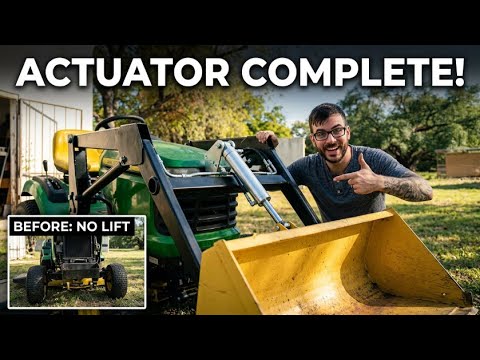 Project Front Loader Pt 6: Linear actuator and bucket install on lawn mower