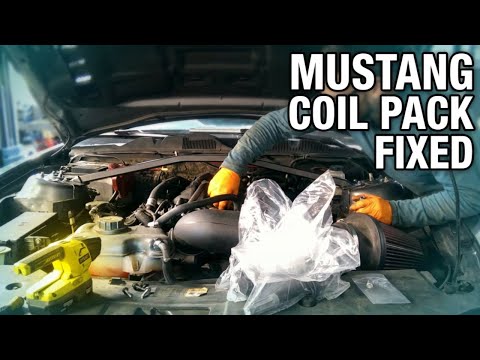
Finally solved this 2012 mustang GT idle issue!
The video documents diagnosing and fixing a rough/erratic idle on a 2012 Mustang GT (5.0). The repair focuses on finding vacuum/PCV-related leaks and cleaning/replacing intake/throttle-related parts to restore stable idle and drivability.
Build Sequence
1. Initial scan and live-data observation
Connect an OBD-II scanner, check for stored or pending codes, and observe live data (RPM, short/long term fuel trims, MAF readings) to characterize the idle issue before disassembly.
2. Visual inspection for vacuum leaks
Inspect PCV components, vacuum hoses, intake boot joints, and throttle body seals for cracked hoses, loose clamps, or degraded grommets. Look for oil seepage around PCV fittings which indicates a failing grommet.
3. Spray test to locate leak
With the engine idling (or using a safe method per the video), carefully spray throttle body cleaner/brake cleaner around vacuum fittings, hose connections, and intake gasket seams to see if idle smooths or changes when spray hits a leak area.
4. Remove and inspect throttle body and PCV
Disconnect battery if required, unbolt the throttle body to inspect for carbon buildup and inspect the PCV valve and grommet on the valve cover/intake. Replace cracked vacuum lines and the PCV grommet or valve if degraded.
5. Clean throttle body and replace gaskets
Use throttle body cleaner to remove carbon from the throttle plate and bore. Replace the throttle body gasket/O-ring if disturbed or brittle. Reinstall and torque bolts to spec.
6. Reassemble, clear codes and relearn idle
Reconnect any disconnected connectors, clear any stored codes with the scanner, then perform an idle relearn procedure if required (allow engine to reach operating temperature and follow specified idle relearn steps or let the PCM adapt through driving).
7. Test drive and verify fix
Take a careful test drive and monitor idle stability, cold/hot starts, and drivability. Re-check for codes and re-inspect any previously suspicious hoses or fittings.
Frequently Asked Questions
Can I just clean the throttle body to fix the idle?
Sometimes cleaning the throttle body will restore idle if carbon buildup is the only issue, but if there is a vacuum leak or a failing PCV grommet those must be addressed or the problem will return.
VIEW FULL ARTICLE →How do I know if the PCV grommet is bad?
Look for oil seepage around the grommet, cracked or flattened rubber, and listen/observe for idle changes when applying a spray test around the area. Physical inspection and replacement are common for confirmation.
VIEW FULL ARTICLE →What usually causes a rough idle on a 2012 Mustang GT?
Common causes include vacuum leaks (cracked hoses, failing PCV grommet), dirty throttle body/electronic throttle plate buildup, or faulty PCV components that let unmetered air into the intake.
VIEW FULL ARTICLE →Related Builds



Parts Used (5)
Used to clean carbon buildup on the electronic throttle body plate and bore.
Replace if leaking or disturbed during throttle body cleaning/removal.
Common failure point that creates vacuum leaks on the 5.0 Coyote. The video replaces the PCV assembly/grommet.
Replace brittle or cracked vacuum lines discovered during inspection.
Used to detect vacuum leaks by spraying around suspected joints (use appropriate safe spray; avoid electronics).